
Tuckpointing & Brick Restoration
Mortar is built to fail before your brick does. When it goes, water gets behind the wall instead of running off it.
- Failed joints ground out to consistent depth
- Mortar mixed and tinted to match your brick
- Optional: mortar joints sealed for extra protection
- Individual spalled brick replaced while we're in the wall
- Masked and cleaned — no smear left on the brick face
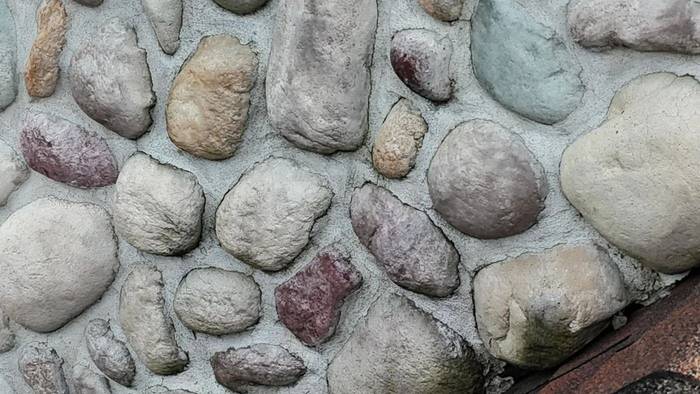
Sealed Mortar Joints, For Extra Protection
After we repoint, we can seal the mortar joints. It's optional — but on exposed walls and chimneys it buys you years.
Blocks Water
Sheds rain and snowmelt before it can soak into fresh joints.
Slows Freeze-Thaw
Less water in the joint means less ice prying it apart each winter.
Breathable
Moisture already in the wall can still escape — it won't trap it.
Keeps It Clean
Less efflorescence staining and less dirt holding to the joint.
Ask for it when you request your estimate and we'll price it as a separate line.
What Failing Mortar Looks Like
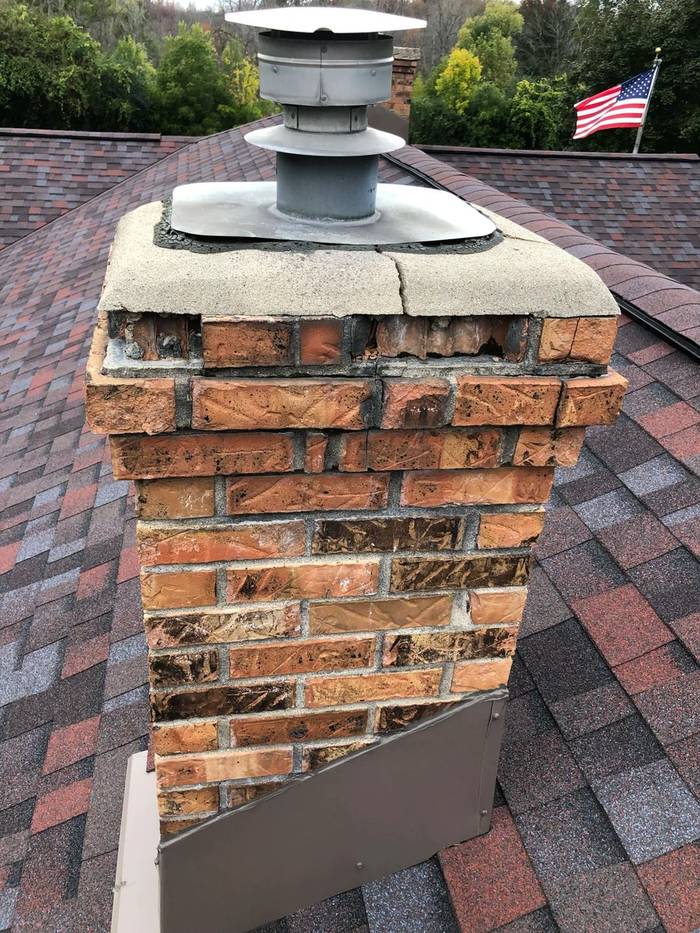
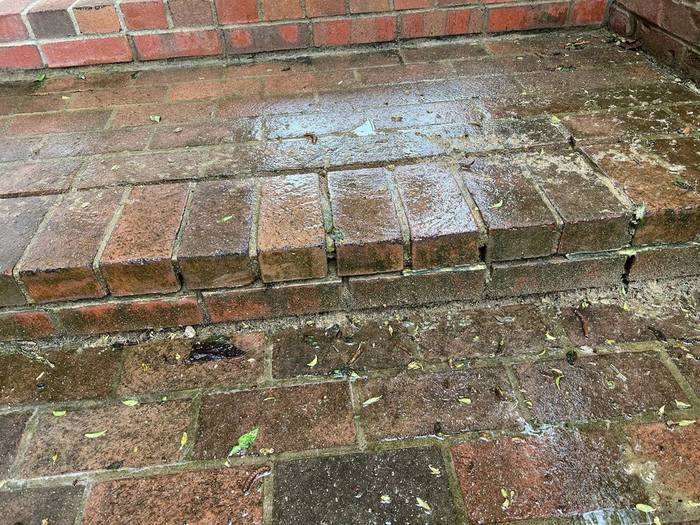
Signs You Need Tuckpointing
- Mortar cracked, crumbling, or recessed behind the brick face
- White chalky staining on the brick
- Damp interior wall lining up with an exterior brick section
- Sandy mortar you can scrape out with a key
- Brick faces flaking or popping off
How long does tuckpointing last?
A properly ground-out and repointed job typically holds 20–30 years. Sealing the joints extends that on exposed elevations.
Where do you tuckpoint?
Chimneys, foundation walls, retaining walls, and full facades across Southeastern Wisconsin — homes and small commercial buildings.
Is sealing always worth it?
Not always. On a sheltered wall it's usually unnecessary. On a chimney or a west-facing elevation it's the cheapest insurance you can buy. We'll tell you which you have.
Stop Small Cracks Before Winter
Free on-site estimate. Honest recommendation.